Optimal Timing for Land Grading Services
Determining the optimal time for land grading service depends on seasonal weather patterns and project requirements. Typically, the best period is during dry months when soil conditions are firm and stable, reducing the risk of erosion and soil displacement. Scheduling during periods of low rainfall ensures more accurate grading and minimizes delays caused by muddy or waterlogged soil.
Spring offers favorable conditions for land grading due to moderate temperatures and less rainfall, allowing for effective soil compaction and leveling.
Late summer and early fall are suitable for land grading, especially when soil has dried sufficiently after peak summer rainfall, ensuring stable ground conditions.
Winter and periods of heavy rain are generally unsuitable because frozen or waterlogged soil can hinder grading precision and lead to structural issues.
Different soil types respond differently to weather; sandy soils may require drier conditions, while clay soils may be more manageable in slightly wetter conditions.
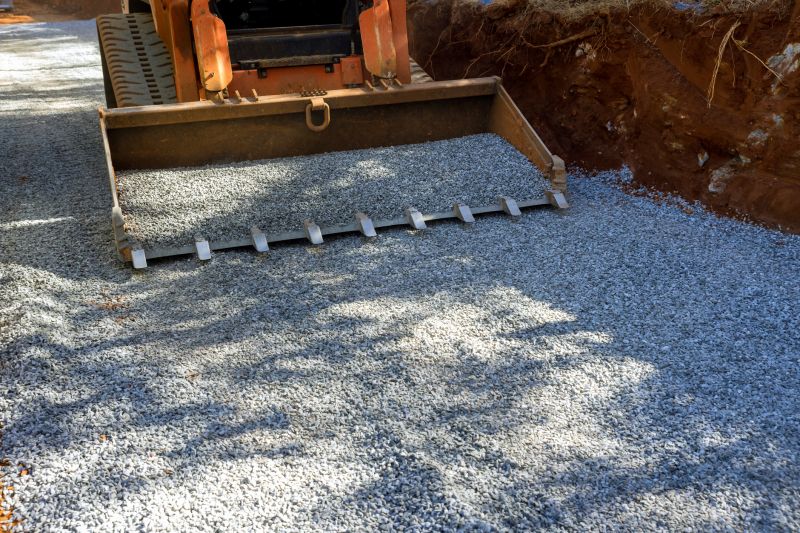
Optimal conditions for effective soil leveling and compaction.
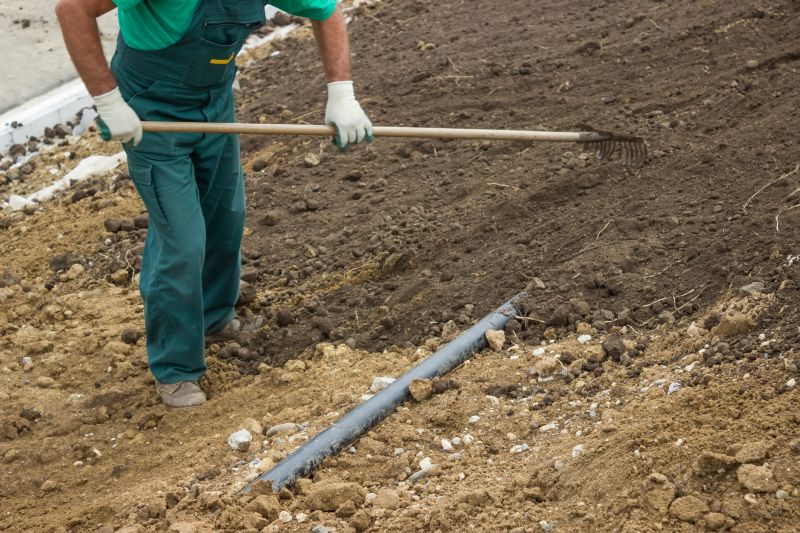
Dry conditions for stable grading operations.

Preparing land after summer rains for upcoming projects.
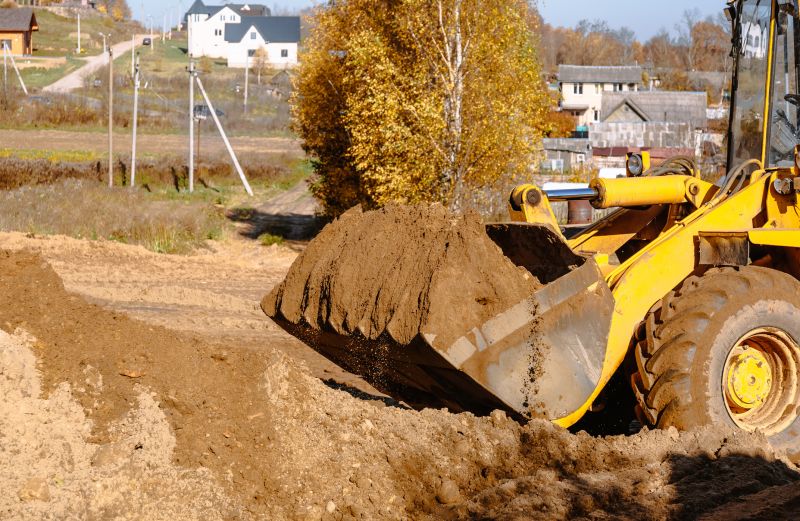
Adjusting timing based on seasonal weather patterns.
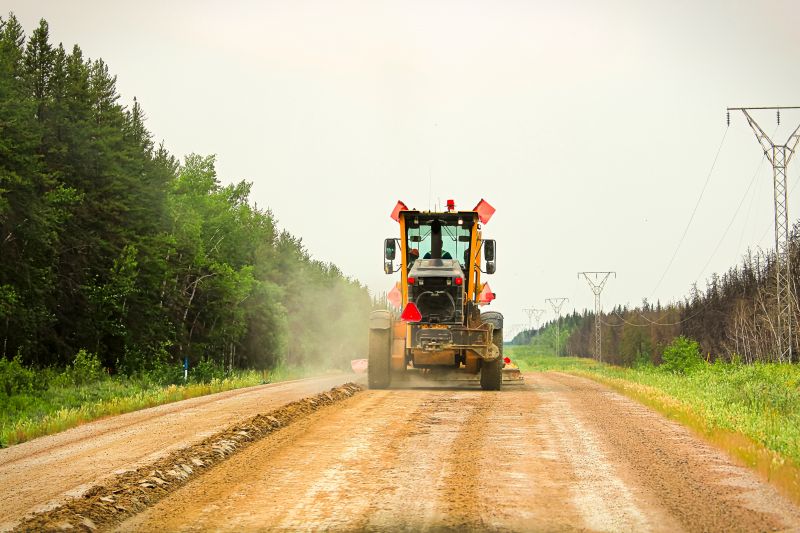
Smooth, level surfaces ready for development.
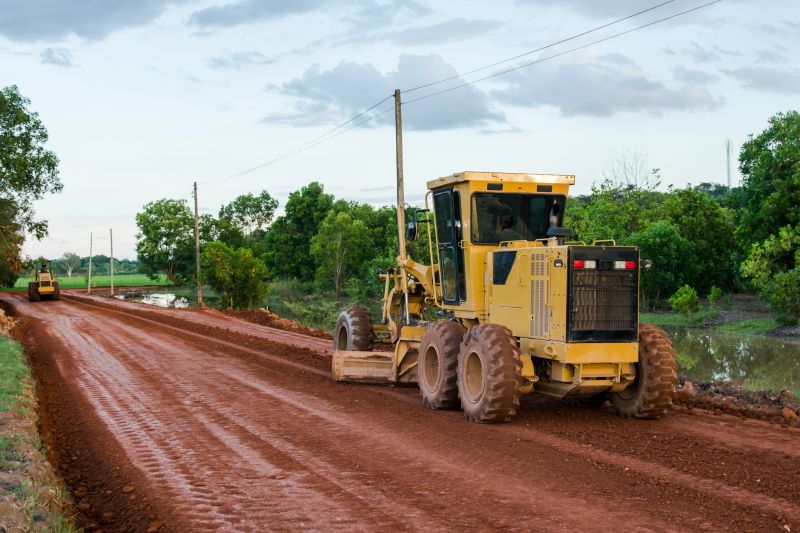
Machinery performing precise grading operations.
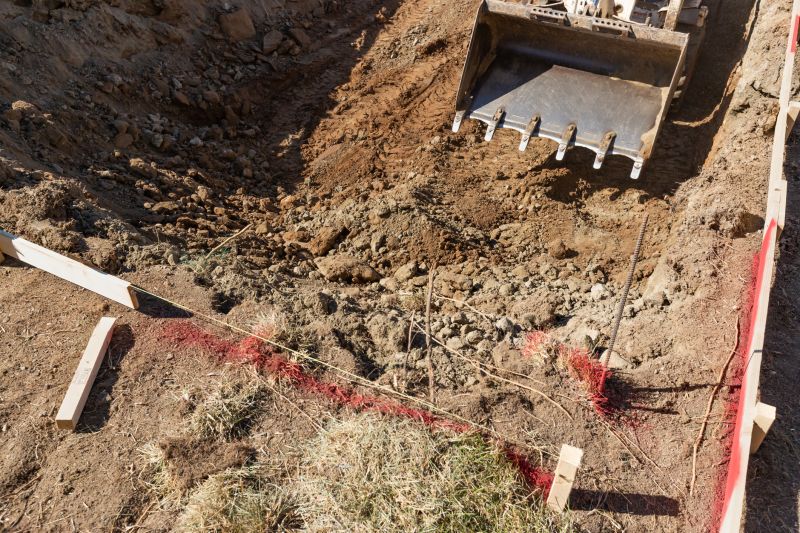
Uneven terrain requiring leveling.
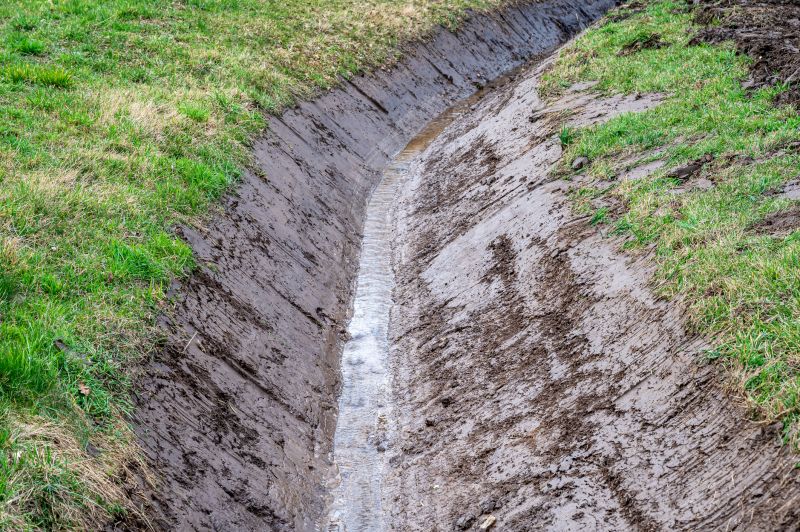
Proper grading facilitates effective drainage.
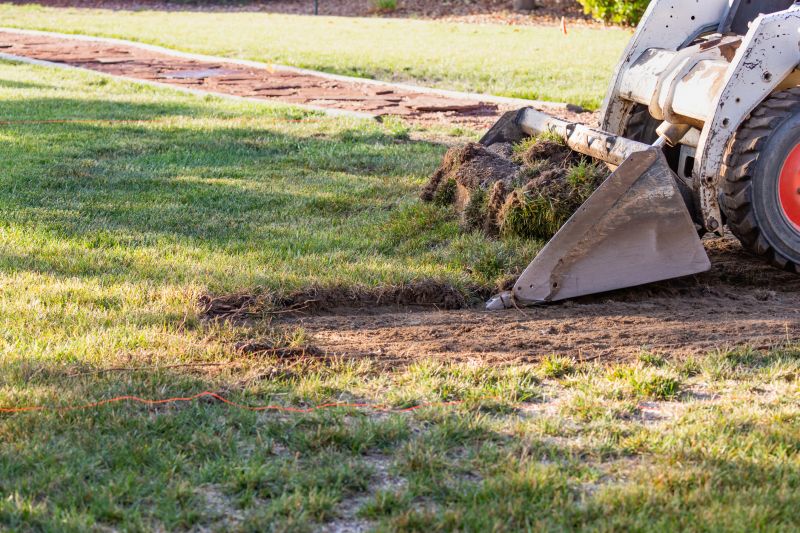
Ways to make Land Grading Service work in tight or awkward layouts.
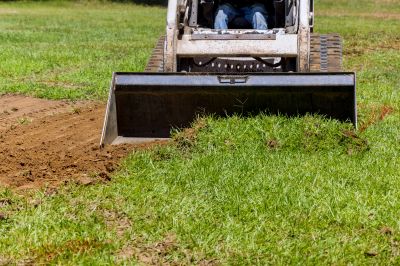
Popular materials for Land Grading Service and why they hold up over time.
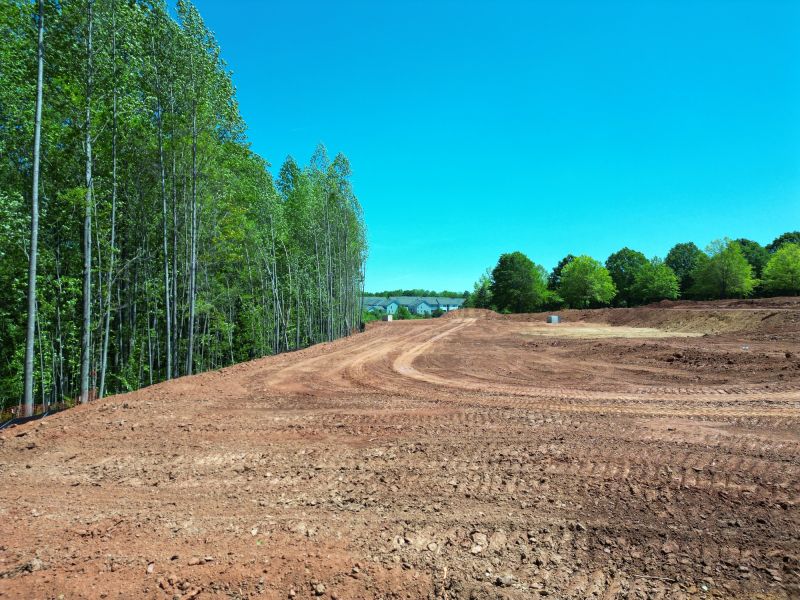
Simple add-ons that improve Land Grading Service without blowing the budget.
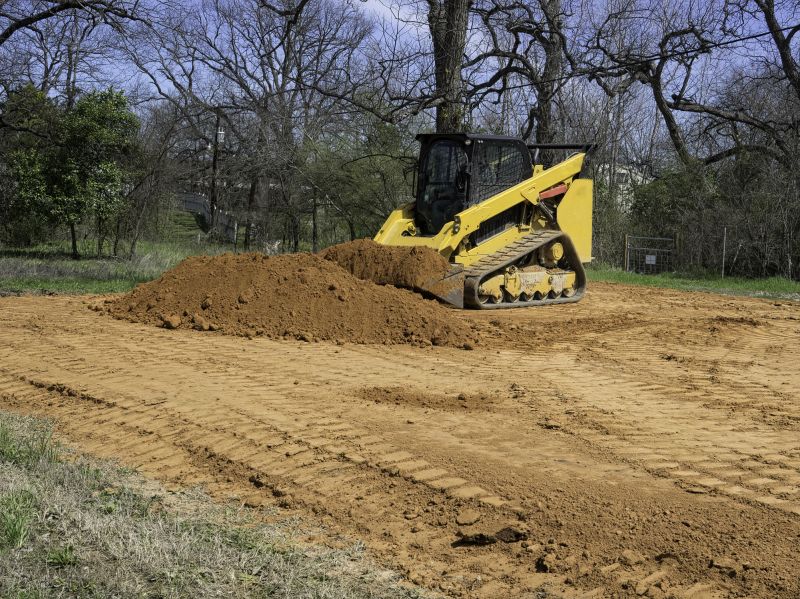
High-end options that actually feel worth it for Land Grading Service.
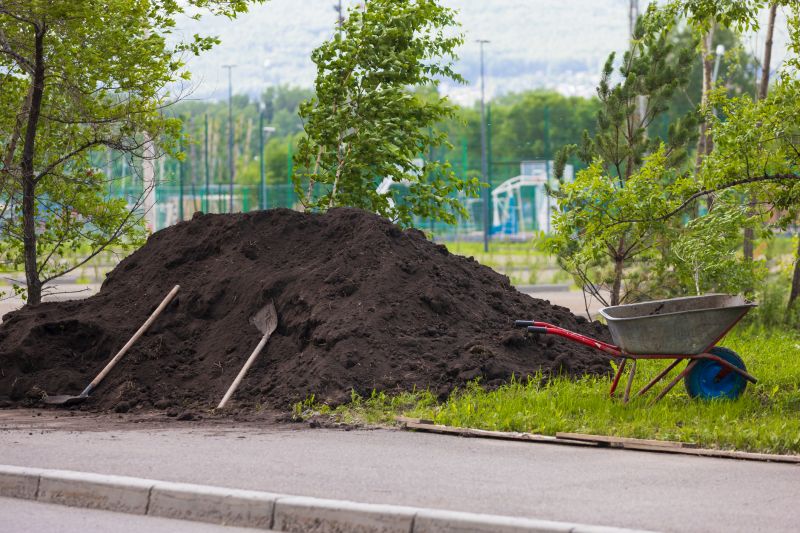
Finishes and colors that play nicely with Land Grading Service.
| Season | Ideal Conditions |
|---|---|
| Spring | Moderate temperatures, less rainfall, soil is moist but workable. |
| Summer | Dry conditions, soil is firm, suitable for large-scale grading. |
| Fall | Post-summer dryness, suitable for preparing land for winter. |
| Winter | Frozen or waterlogged soil, not recommended for grading. |
| Rainy periods | Generally unsuitable due to soil instability and erosion risk. |
Scheduling land grading during the appropriate season ensures optimal soil stability and minimizes disruptions. Proper timing can lead to more efficient work, reduced costs, and better long-term results for the project. Consulting with a land grading professional can help determine the best window based on local climate and specific site conditions.